Disclosure: This post contains affiliate links, which means I may earn a small commission if you make a purchase through these links, at no additional cost to you. I only recommend products I genuinely believe support executive function development and that have proven educational value. Your support helps me continue creating helpful content in this problem-solving series!
There’s something profoundly transformative about unrolling a yoga mat for the first time. It’s not just about touching your toes or mastering a headstand—though those might come eventually. It’s about claiming space for yourself, connecting breath to movement, and discovering what your body can do when you approach it with patience rather than judgment.
As we step into 2026, yoga continues to be one of the most accessible, adaptable, and beneficial practices you can adopt as a new hobby. Whether you’re 25 or 75, whether you’re an athlete looking to improve flexibility or someone recovering from injury, whether you can flow through sun salutations or prefer the gentle support of chair yoga—there’s a practice waiting for you.
The beauty of yoga is its radical inclusivity. You don’t need to be flexible to start yoga; you do yoga to become flexible. You don’t need to be calm to begin; you practice to find calm. And you certainly don’t need expensive gear or a perfect body—you just need curiosity and willingness to begin.
Why Yoga Is the Perfect New Year Hobby
Starting yoga in January offers unique advantages that make it the ideal New Year resolution—one you’ll actually keep.
Sustainable Self-Care Without Punishment
Unlike resolutions focused on restriction or grueling workouts, yoga meets you where you are. Tired? There’s a restorative practice for that. Energized? Try a vigorous flow. Stressed? Gentle stretching and breathwork can help. This adaptability means you’re not forcing yourself through something painful; you’re genuinely caring for your body and mind.
Progressive Challenge That Grows With You
Yoga provides endless room for growth without requiring perfection. Your first downward dog might feel impossible, but three weeks later, it becomes a resting pose. Six months in, you might explore arm balances. A year from now, your practice will look completely different—not because you’ve “mastered” yoga, but because you’ve deepened your relationship with it. This built-in progression keeps the practice engaging without ever feeling competitive or judgmental.
Minimal Barrier to Entry
You can start yoga with nothing but a mat and YouTube, or even just a carpeted floor and free guidance. No gym membership required, no expensive equipment needed, no commute to a studio unless you want one. This accessibility makes it perfect for busy schedules, tight budgets, or anyone who prefers practicing at home in comfortable privacy.
Mind-Body Integration That Serves Your Whole Life
Unlike isolated physical exercise, yoga simultaneously addresses physical strength, mental clarity, emotional regulation, and even spiritual connection. The skills you develop on the mat—breath control during challenge, presence in the moment, compassion for your limitations—transfer directly to stressful meetings, difficult conversations, and overwhelming days. You’re not just exercising; you’re training yourself to navigate life with more ease.
The Physical Benefits: Building a Body That Serves You
Yoga transforms your physical capabilities in ways that support every other aspect of your life.
Balance and Stability: Your Foundation for Safe Movement
Balance is one of the first casualties of aging and sedentary lifestyles, yet it’s absolutely crucial for preventing falls and maintaining independence. Yoga addresses balance systematically through standing poses, one-legged balances, and proprioceptive challenges that force your body to constantly recalibrate.
Tree pose, warrior III, and half moon pose all require you to stabilize on one leg while maintaining alignment through your entire body. This trains not just the obvious muscles in your legs and core, but also the tiny stabilizer muscles throughout your ankles, feet, and hips. The neuromuscular coordination required for these poses translates directly to better stability when walking on uneven surfaces, catching yourself from stumbling, or simply standing confidently without needing to lean on something.
For older practitioners or those with balance concerns, chair yoga provides similar benefits with added support. Standing beside a chair for balance, or even performing seated balance challenges, still trains your vestibular system and strengthens stabilizing muscles—just with a safety net.
Muscle Strength: Functional Power Without Bulk
Yoga builds lean, functional strength by using your body weight as resistance. Unlike weightlifting that isolates specific muscles, yoga strengthens muscles in coordination with each other, creating balanced development throughout your entire body.
Holding plank pose builds shoulder, core, and leg strength simultaneously. Chaturanga (yoga push-up) develops triceps, chest, and core stability. Warrior poses strengthen legs, glutes, and core while opening hips and chest. Chair pose (essentially a prolonged squat) builds powerful legs and glutes. These aren’t isolated movements; they’re integrated strength that translates to carrying groceries, lifting grandchildren, maintaining good posture at a desk, and moving through daily life with ease.
The isometric holds in yoga—staying in a challenging position for multiple breaths—build endurance and mind-muscle connection. You learn to engage specific muscles consciously, which improves movement efficiency and reduces injury risk in all activities.
Flexibility and Range of Motion: Freedom of Movement
Tight hamstrings, stiff shoulders, inflexible hips—these limitations accumulate from years of sitting, repetitive movements, and simple aging. Yoga systematically addresses every major muscle group, gradually increasing your range of motion and reducing the pain associated with tightness.
Forward folds lengthen hamstrings and lower back muscles. Hip openers release tension in hip flexors, IT bands, and glutes—areas that become chronically tight from sitting. Shoulder openers combat the rounded-forward posture from desk work and phone use. Spinal twists maintain mobility in your back, crucial for everything from looking over your shoulder while driving to reaching for items on high shelves.
Increased flexibility isn’t just about being able to touch your toes—it’s about moving through life with less pain, better posture, and reduced injury risk. Tight muscles pull on joints and create compensation patterns that lead to chronic pain. Lengthening those muscles relieves pressure and restores natural, pain-free movement.
Posture and Alignment: Standing Tall Throughout Life
Hours at computers, phones, and steering wheels create rounded shoulders, forward head posture, and curved upper backs. This poor alignment causes chronic neck and back pain, reduces lung capacity, and even affects mood and confidence.
Yoga’s emphasis on alignment—drawing shoulders back and down, lengthening the spine, engaging the core—retrains your body’s default position. Mountain pose teaches you what proper standing alignment feels like. Cobra and upward dog strengthen the muscles that pull your shoulders back. Core-focused poses stabilize your spine in neutral alignment.
With consistent practice, good posture stops being something you force and becomes your body’s natural state. This relieves chronic pain, improves breathing, boosts confidence, and makes you look and feel younger.
Joint Health and Injury Prevention
Yoga’s full range-of-motion movements lubricate joints and maintain cartilage health. The low-impact nature means you’re strengthening and mobilizing without the repetitive stress that causes overuse injuries. For people with arthritis or joint concerns, gentle yoga and chair yoga provide movement that reduces pain and stiffness without aggravating conditions.
The body awareness developed through yoga also prevents injuries in other activities. You learn to recognize your body’s signals, respect your limits, and move with better biomechanics—all of which reduce your risk of pulling muscles or straining joints.
Cardiovascular and Respiratory Benefits
While yoga isn’t traditionally aerobic exercise, deep breathing exercises strengthen respiratory muscles, increase lung capacity, and improve oxygen exchange. This benefits everything from athletic performance to daily energy levels to sleep quality. Learning to control your breath also provides a powerful tool for managing stress and anxiety in real-time.
The Mental Benefits: A Clearer, Calmer Mind
Yoga’s impact on mental health and cognitive function is profound and scientifically well-documented.
Stress Reduction and Cortisol Regulation
Chronic stress floods your body with cortisol, the stress hormone that contributes to weight gain, sleep problems, anxiety, and numerous health issues. Yoga directly counteracts this physiological stress response.
The combination of physical movement, controlled breathing, and present-moment focus activates your parasympathetic nervous system—your “rest and digest” mode. This triggers a cascade of beneficial changes: heart rate slows, blood pressure drops, muscles relax, and cortisol levels decrease. Even a 20-minute practice can shift you from fight-or-flight mode to calm presence.
This isn’t just temporary relief. Regular yoga practice actually changes your stress baseline, making you more resilient to stressors and less reactive to triggers. You develop a capacity to remain calm under pressure—a skill that serves you in traffic jams, work deadlines, difficult conversations, and all of life’s challenges.
Improved Focus and Mental Clarity
Yoga is meditation in motion. Maintaining poses while focusing on breath and alignment requires sustained attention. This trains your concentration like a muscle. The practice of repeatedly bringing your wandering mind back to the present moment strengthens neural pathways associated with attention and focus.
Many practitioners report improved concentration in work and daily tasks after establishing a consistent yoga practice. The mental discipline developed on the mat transfers to better ability to focus during meetings, resist distractions, and complete tasks with sustained attention.
Anxiety and Depression Management
Multiple studies show yoga significantly reduces symptoms of anxiety and depression, often as effectively as medication or therapy. The mechanisms are multifaceted: reduced cortisol, increased GABA (a calming neurotransmitter), improved body awareness, and the simple act of caring for yourself.
Yoga also helps break the rumination cycle common in anxiety and depression. When you’re focused on holding warrior II while breathing steadily, your mind can’t simultaneously spiral through anxious thoughts. This provides relief and gradually retrains your thought patterns.
The body-focused nature of yoga also helps people reconnect with physical sensations in healthy ways, which is particularly beneficial for those dealing with trauma or body image issues.
Enhanced Mind-Body Connection
Modern life disconnects us from physical awareness. We ignore our bodies’ signals, push through pain, and live entirely in our heads. Yoga rebuilds the mind-body connection, teaching you to sense subtle signals: tension in your jaw, tightness in your hips, the quality of your breath.
This enhanced awareness serves you constantly. You recognize stress building before it becomes overwhelming. You notice poor posture before it causes pain. You sense when you need rest versus when you need movement. This internal feedback loop supports better self-care and healthier choices.
Better Sleep Quality
The relaxation response triggered by yoga, combined with physical tiredness from practice and reduced mental rumination, significantly improves sleep quality. Evening restorative yoga or gentle stretching signals your body that it’s time to wind down, making it easier to fall asleep and stay asleep.
The stress-reducing effects also help with sleep anxiety—the worry about not sleeping that keeps you awake. When you have tools to calm your nervous system, bedtime becomes less fraught.
The Emotional Benefits: Cultivating Inner Peace
Beyond physical and mental health, yoga nurtures emotional wellbeing in profound ways.
Emotional Regulation and Resilience
Yoga teaches you to stay present with discomfort. Holding a challenging pose while breathing through the shake and burn trains emotional resilience. You learn that discomfort is temporary, that you can stay calm through difficulty, and that you’re stronger than you thought.
This translates directly to emotional challenges. When difficult feelings arise—anger, sadness, fear—you have practice sitting with discomfort rather than numbing or avoiding. You develop emotional tolerance and the capacity to process feelings rather than being overwhelmed by them.
Self-Compassion and Body Acceptance
Yoga culture (at its best) emphasizes self-compassion over self-criticism. The constant invitation to “honor your body” and “practice without judgment” gradually rewires harsh internal dialogue. You learn to approach your limitations with curiosity rather than frustration, your body with acceptance rather than criticism.
This is revolutionary in a culture that constantly tells us our bodies are wrong, inadequate, or need fixing. Yoga offers a different narrative: your body is wise, capable, and deserving of respect exactly as it is today.
Sense of Accomplishment and Growth
Every time you hold a pose longer, stretch a bit deeper, or attempt something new, you experience tangible progress. These small victories build confidence and a growth mindset. You begin to see yourself as someone capable of learning, growing, and overcoming challenges.
Unlike many hobbies where progress is abstract or far in the future, yoga provides immediate feedback and regular milestones that reinforce your commitment and boost self-esteem.
Connection and Community
Whether you practice at home or in studios, the yoga community offers connection and support. Even in silent practice, there’s something powerful about moving and breathing in sync with others. Many people find authentic friendships and meaningful belonging through yoga communities.
This social connection is particularly valuable in an increasingly isolated world. Having a community of practice provides accountability, encouragement, and the reminder that you’re not alone in your struggles or aspirations.
Yoga for Every Body: Age and Ability Inclusive Practice
One of yoga’s greatest strengths is its adaptability to any age, fitness level, or physical ability.
Young Adults (20s-30s)
For younger practitioners, yoga offers stress management, injury prevention for other sports, and a foundation of body awareness that serves a lifetime. Power yoga and vinyasa flows provide athletic challenge, while restorative practices balance high-stress careers and active lifestyles. Starting young builds habits and flexibility that make aging easier.
Midlife Adults (40s-50s)
This demographic often comes to yoga seeking relief from stress, back pain, or stiffness. Yoga addresses all of these while also combating the muscle loss and metabolic slowdown that begin in this decade. It’s an age where strength training becomes crucial, but traditional weightlifting may feel intimidating or boring. Yoga provides that strength training in a more appealing, holistic package.
Older Adults (60s+)
Yoga is perhaps most transformative for older adults. Balance work prevents falls—the leading cause of injury-related deaths in seniors. Strength training maintains independence. Flexibility reduces pain from arthritis and stiffness. Mental benefits combat cognitive decline.
Chair yoga specifically serves this population beautifully. Every traditional pose can be modified for a chair or performed seated. You still get the stretching, strengthening, balance work, and breathwork—just with added stability and reduced fall risk. Chair yoga is also perfect for people with mobility limitations, recovery from surgery, or conditions like COPD that make floor work challenging.
People with Chronic Conditions
Yoga benefits people with diabetes (improved blood sugar regulation), heart disease (reduced blood pressure and stress), arthritis (reduced pain and improved function), chronic pain (better pain management and less reliance on medication), autoimmune conditions, and numerous other health challenges.
The key is finding appropriate modifications and working with knowledgeable instructors who understand your limitations. Almost any condition can be accommodated with proper adaptation.
Adaptive Yoga for Physical Disabilities
Wheelchair users, amputees, people with limited mobility—all can practice yoga with appropriate modifications. Adaptive yoga instructors specialize in making the practice accessible while preserving its benefits. The mental and emotional benefits are fully available regardless of physical capacity.
Essential Yoga Gear: Building Your Practice Foundation
While you can start yoga with nothing but your body and floor space, a few key items significantly enhance comfort, safety, and progress. Here’s what you need to begin your practice right.
Gaiam Essentials 2/5″ Thick (10mm) Yoga & Pilates, Fitness & Exercise Mat
Your mat is your foundation—literally. A quality mat provides cushioning for joints, traction to prevent slipping, and a defined space that signals “this is my practice area.”
The Gaiam Essentials mat offers generous thickness (10mm) that protects knees, wrists, and spine during floor work without being so thick that you lose stability in standing poses. This is particularly important for beginners whose joints aren’t yet conditioned to yoga’s demands, and for older practitioners who need extra cushioning.
The textured surface provides grip even when hands and feet get sweaty during challenging flows. At 72 inches long, it accommodates taller practitioners comfortably. The durability means this mat will support thousands of practices, making it an excellent investment for your new hobby.
When to use it: Every practice session. Roll it out as your designated practice space, whether following along with YouTube videos at home or attending a class.

- Extra-Thick Cushioning for Joint Comfort : Made with 10mm (2/5″) high-density NBR foam, this mat delivers plush cushioni…
- Comfort-Focused Surface for Controlled Movement : Textured foam surface helps reduce slipping on most hard floors during…
- Soft Foam Feel with Easy Care : Crafted from low-odor NBR foam that’s easy to maintain—simply wipe clean with a damp clo…
Gaiam Yoga Blocks (Set of 2)
Blocks are game-changers for beginners and experienced yogis alike. They “bring the floor closer to you,” making poses accessible before you have the flexibility to reach the ground.
Can’t touch the floor in triangle pose? Place a block under your bottom hand. Need support in half moon balance? Use a block for stability. Working on gentle backbends? Place a block under your sacrum for supported bridge pose.
These foam blocks are lightweight, durable, and available in different heights (lay flat, on their side, or upright) to provide exactly the support you need. As you progress, blocks also deepen stretches and enable more advanced variations.
When to use them: Standing poses where you can’t comfortably reach the floor, seated poses that strain tight hips, restorative poses for gentle support, and balance poses where you need extra stability.

- Stability + Balance: Yoga Blocks Provide The Stability And Balance Needed In Your Practice To Help With Optimal Alignmen…
- Durable Supportive Foam: These Lightweight And Supportive Foam Blocks Are Constructed Of A Durable Foam With A Nonslip S…
- Modify + Align: Use Under Your Hands, Feet Or Seat (Meditation) To Ensure The Proper Alignment Needed In Order To Safely…
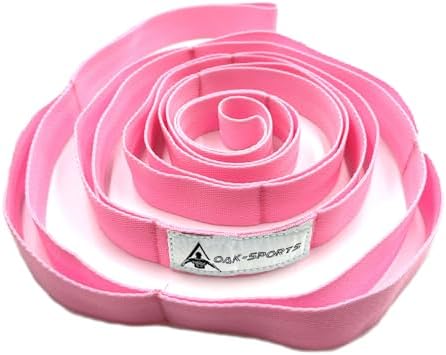
Stretching Strap Yoga Strap with Loops
A yoga strap extends your reach, making poses accessible that would otherwise be impossible with tight hamstrings, shoulders, or hips. The multiple loops on this strap provide exact placement options without the fumbling of traditional straps.
Struggling to clasp your hands behind your back in cow face pose? Use the strap as an extension. Can’t reach your feet in seated forward fold? Loop the strap around your feet and hold the ends. Working on shoulder flexibility? Use the strap to practice pulling your hands closer together over time.
The strap also assists in gentle stretching outside of formal practice—while watching TV, you can use it for hamstring stretches or shoulder mobility work.
When to use it: Forward folds, seated stretches, shoulder openers, and any pose where limited flexibility prevents proper alignment. Also useful for wall-supported leg stretches and physical therapy-style isolated stretching.
- Relax Your Body:The Stretch strap & leg stretcher is perfect for Physical therapy is perfect for stretch foot,waist and …
- High Quality and Durable: The yoga strap made of non-elastic premium nylon,and ensures optimal resistance and great stab…
- Light and Easy to Use: Stretching Strap have 10 loops rope with comfy texture. 75 inch long and 1 inch wide enough to re…
CoolMate Pilates Socks with Grips for Women, Yoga Socks
While many people practice yoga barefoot, grippy socks offer benefits for certain situations. The non-slip grips on the bottom provide traction on hardwood floors or in studios where you prefer not to be barefoot. They also keep feet warm during restorative practices.
The open-toe or toeless design maintains the foot flexibility and ground connection important in yoga while protecting the bottom of feet from slipping. This is particularly useful for people who sweat a lot, practice on slippery floors, or feel uncomfortable being barefoot in public spaces.
When to use them: During home practice on slippery floors, in studios if you prefer covered feet, during restorative or yin yoga where you’ll be still long enough to get cold, or when your feet tend to slip in downward dog and standing poses.

CRZ YOGA Butterluxe Yoga Leggings
Comfortable, non-restrictive clothing makes an enormous difference in your practice. These leggings offer the perfect combination of support, stretch, and comfort without the premium price tag of luxury yoga brands.
The high-waisted design stays put during inversions and forward folds—no constant tugging or adjusting. The four-way stretch moves with you through every pose without restriction. The sweat-wicking fabric keeps you comfortable during vigorous flows. And the buttery-soft texture feels luxurious against skin.
Perhaps most importantly, these leggings are squat-proof and non-see-through, eliminating the self-consciousness that can distract from practice. When you’re confident in what you’re wearing, you can focus entirely on your yoga.
When to use them: Every practice session. Quality leggings that fit well become like a second skin, allowing full range of motion without any distraction.

CRZ YOGA Seamless Ribbed Scoop Neck Tank Top for Women
A good yoga top stays in place through inversions, doesn’t ride up during upward dog, and allows full shoulder mobility without restriction. This seamless ribbed tank checks all those boxes.
The scoop neck provides freedom for shoulder movements without feeling too revealing. The longer length prevents your midriff from showing during transitions. The seamless construction eliminates chafing during long practices. And the breathable fabric keeps you cool during heated flows while providing enough coverage for confidence.
The built-in shelf bra offers light support for lower-impact practices, though you may want to add a sports bra for more vigorous sessions.
When to use it: All practice types, particularly when you want to layer under a loose shirt for warmth at the beginning of practice that you can shed as you heat up.

Amazon Basics High Density Foam Roller
While not exclusively yoga equipment, a foam roller is an invaluable companion to your practice. It provides self-myofascial release—essentially self-massage that releases tight fascia (connective tissue) and improves muscle recovery.
Use it before practice to release tight spots in your back, hips, IT bands, and calves, preparing your body for deeper stretches. Use it after practice to aid muscle recovery and prevent next-day soreness. The high-density foam provides firm pressure without being painfully hard.
Rolling out tight muscles also improves your flexibility gains from yoga. When you release fascial restrictions, muscles can lengthen more effectively in your stretches.
When to use it: 5-10 minutes before practice to warm up tight areas, after practice for recovery, or on rest days for active recovery and muscle maintenance. Particularly beneficial for IT bands, upper back, and hip flexors that store a lot of tension.

- High-density foam roller in Black
- Ideal for balance, strengthening, and flexibility exercises
- Firm, durable polypropylene maintains shape; molded edges for added comfort
Acteon Microfiber Gym Towels 5 Pack
Yoga can be sweaty, especially vinyasa, power, or hot yoga styles. These lightweight, fast-drying microfiber towels serve multiple purposes in your practice.
Use a small towel to wipe sweat from your face and hands, keeping your grip secure on your mat. Place a larger towel over your mat during hot yoga to absorb sweat and provide additional traction. Use one as a makeshift bolster under your head during final relaxation.
The five-pack means you always have clean towels available, and the microfiber material dries quickly between uses. They’re also compact enough to toss in your yoga bag without adding bulk.
When to use them: During any vigorous practice where you’ll sweat, in heated yoga classes, to keep hands dry for better grip, and for wiping down equipment after practice.

- Microfiber
- GYM TOWELS FOR MEN AND WOMEN: Keep a fresh towel ready for every training day with this 5-pack of soft microfiber gym to…
- SILVER ION ODOR CONTROL: Each silver ion enhanced microfiber gym towel is treated to help prevent unpleasant odors while…
BAGSMART Reiki Gym Bag for Women
Once you’ve assembled your yoga essentials, you need a way to transport them—whether to a studio class, outdoor park practice, or simply to keep everything organized at home. This yoga-specific gym bag is designed with practitioners in mind.
The dedicated shoe compartment keeps your yoga socks or street shoes separate from clean clothes and your mat. Multiple interior pockets organize your blocks, strap, towels, water bottle, and personal items so you’re not digging through a jumbled mess. The exterior yoga mat holder securely carries your rolled mat, keeping your hands free.
The bag’s size is perfectly calibrated—large enough to hold everything you need without being bulky or awkward to carry. The adjustable shoulder strap and grab handles provide carrying options for different situations. The water-resistant material protects your gear from unexpected rain or studio floor moisture.
Beyond functionality, having a dedicated yoga bag signals commitment to your practice. When your gear is organized and ready to go, you eliminate the friction of gathering supplies before each session. This small reduction in barriers significantly increases the likelihood you’ll actually practice consistently.
When to use it: Transporting gear to and from classes, storing all your yoga equipment in one organized place at home, weekend getaways where you want to maintain your practice, or outdoor yoga sessions in parks or beaches.
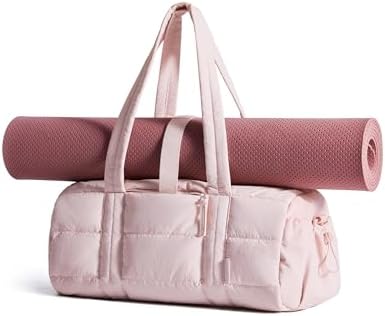
- Mid-Size Design Yoga Bag: 432219 cm/16.9″ L 8.6″ W 7.6″ H (iPhone 16 Pro Max heights 6.41″). This yoga mat bag is compac…
- Yoga-Class Ready Design: The sleek roll-top design features a built-in elastic band to securely hold standard mats (up t…
- Gym & Swim-Friendly Construction: Pack sweaty clothes or a wet swimsuit without worries. The lightweight inner dry/wet p…
Getting Started: Your First Steps on the Mat
With your gear assembled and your understanding of yoga’s benefits established, here’s how to actually begin your practice.
Start Where You Are, Not Where You Think You Should Be
Your first practice should meet you at your current ability level. If you haven’t exercised in years, start with gentle or beginner yoga. If you’re athletic but new to yoga, start with beginner yoga anyway—the poses may look simple, but they require unfamiliar skills.
Resist the temptation to jump into advanced classes because “you’re not that out of shape.” Yoga’s difficulty isn’t about how in-shape you are; it’s about body awareness, flexibility, and understanding proper alignment. Everyone starts at the beginning.
Choose Your Learning Method
- YouTube and free online classes: Perfect for exploring different styles and teachers without commitment. Search “beginner yoga” or “yoga for [your specific need]”
- Yoga apps: Provide structured progressions and the ability to filter by duration, difficulty, and focus area
- In-person classes: Offer hands-on corrections and community but require more schedule coordination and cost
- Private instruction: Ideal if you have injuries, conditions, or specific goals; personalized instruction accelerates learning
Most people benefit from combining methods—taking occasional in-person classes for technique checks while maintaining a home practice with online resources.
Establish a Sustainable Routine
Consistency matters more than duration. Fifteen minutes daily beats one 90-minute class weekly for building strength, flexibility, and habit. Choose a time that works for your schedule:
- Morning practice energizes and sets a positive tone for the day
- Lunchtime practice breaks up work and reduces afternoon slump
- Evening practice releases accumulated stress and prepares for better sleep
Start with a realistic commitment—even 10 minutes three times per week. You can always increase as the habit solidifies.
Listen to Your Body’s Signals
Yoga should involve sensation—stretching feels intense, strengthening creates muscle fatigue—but not pain. Learn to distinguish between “good discomfort” (muscles working and stretching) and “bad pain” (sharp sensations, joint pain, pain that persists after practice).
The yoga breath test: if you can’t maintain steady breathing in a pose, you’re pushing too hard. Back off to where you can breathe smoothly.
Be Patient With Progress
Flexibility and strength develop gradually. You won’t master crow pose in week one. You might not touch your toes for months. That’s completely normal and fine. The practice itself is the point, not achieving Instagram-worthy poses.
Notice small wins: a bit less shakiness in warrior II, breathing more smoothly through challenging sequences, feeling less stressed after practice. These matter more than flashy achievements.
Modify Without Guilt
Every pose has modifications. Use them. Taking child’s pose during a challenging flow isn’t “giving up”—it’s listening to your body and practicing with wisdom. Using blocks, staying in easier variations, or skipping poses that don’t serve you today is all part of practicing yoga.
In fact, knowing when to modify shows more advanced practice than forcing yourself into poses your body isn’t ready for.
Your New Year, One Breath at a Time
Starting yoga as your 2026 New Year hobby isn’t about becoming a different person. It’s about becoming more fully yourself—inhabiting your body with awareness, moving through life with less pain and more ease, responding to stress with calm rather than panic.
The physical benefits alone—improved balance, increased strength, greater flexibility—justify the practice. The mental benefits—reduced stress, better focus, enhanced mood—make it essential. The emotional benefits—greater self-compassion, emotional resilience, sense of peace—make it transformative.
But perhaps the most valuable aspect of yoga is what it teaches beyond the mat. You learn that progress is non-linear. You discover that your limits are softer than you thought. You find that being present with difficulty builds strength. You realize that you’re worthy of time and care.
These lessons ripple through every aspect of your life. The patience you cultivate in holding warrior II translates to patience with your children’s struggles. The non-judgment you practice toward your tight hamstrings extends to compassion for your own mistakes. The breath control you develop on the mat becomes your tool for navigating traffic jams and tense meetings.
So as you consider your New Year resolutions for 2026, consider this: What if, instead of focusing on changing your body, fixing your flaws, or becoming someone different, you simply committed to meeting yourself on the mat—exactly as you are—with curiosity and kindness?
Unroll your mat. Take a breath. Begin where you are. The transformation doesn’t happen because you force it. It happens because you show up, again and again, breath by breath, practice by practice.
Your body is waiting. Your breath is ready. The practice will meet you exactly where you are.
Welcome to yoga. Welcome home.
Disclosure: This post contains affiliate links, which means I may earn a small commission if you make a purchase through these links, at no additional cost to you. I only recommend products I genuinely believe support executive function development and that have proven educational value. Your support helps me continue creating helpful content in this problem-solving series!
Leave a Reply